The Compass
How our educational programs help children navigate their path to success, providing direction and support when they need it most.
Empowering communities in Sawla through education and sustainable agriculture
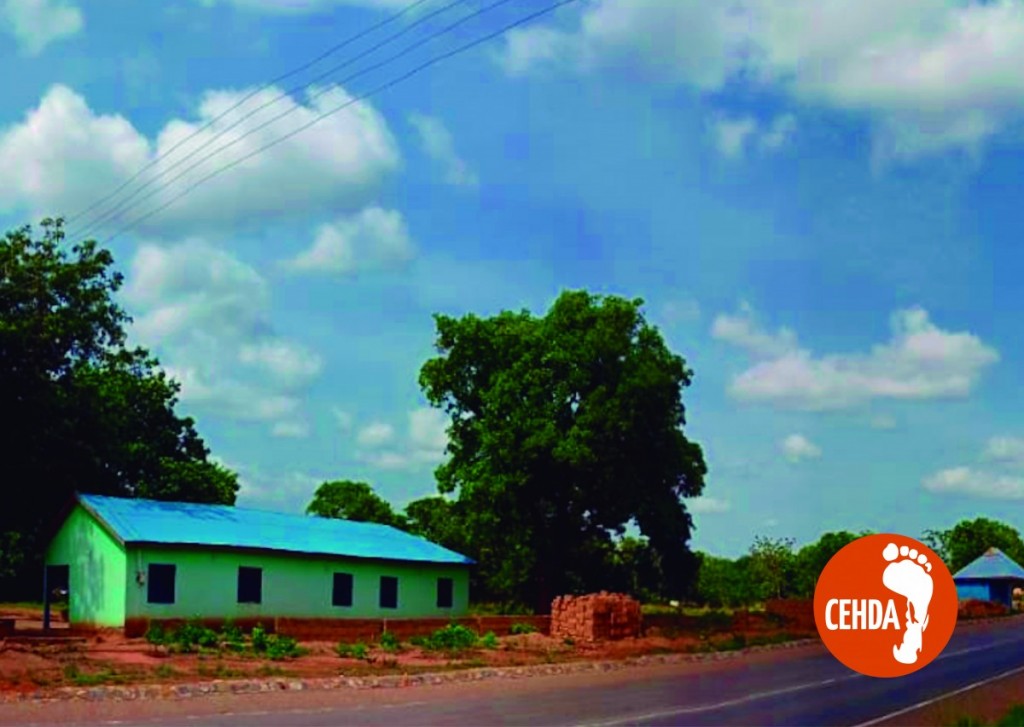
Sawla is a town in the Sawla-Tuna-Kalba District of Ghana's Savannah Region, in the northern part of the country. The region faces significant challenges including limited educational resources and economic opportunities.
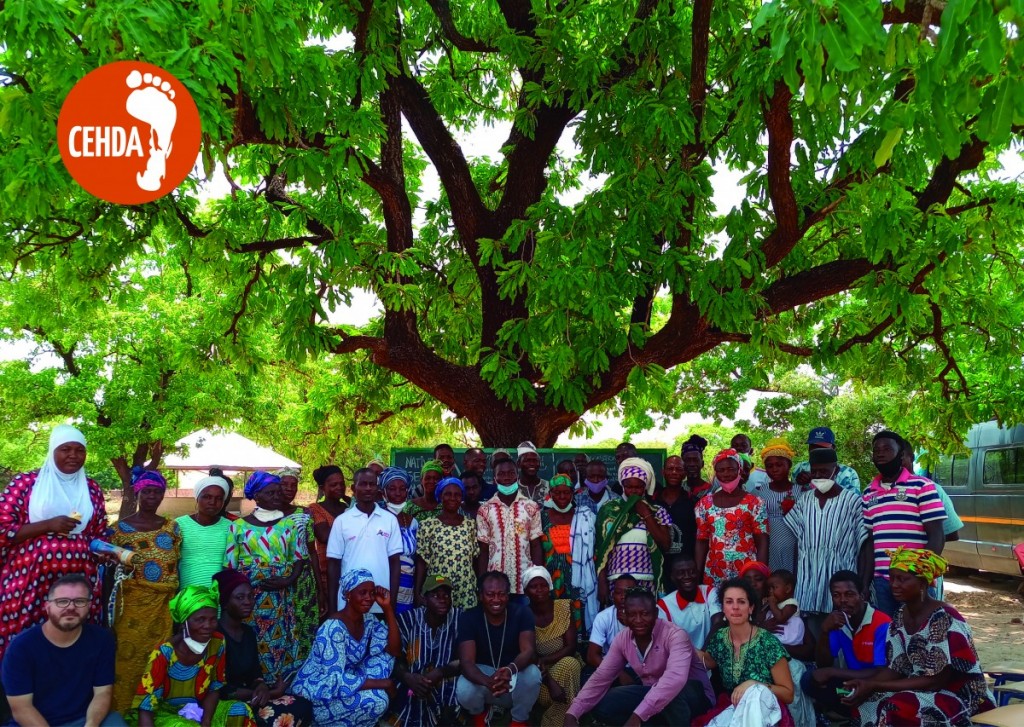
CEHDA has been working in Sawla since 2007, developing projects in collaboration with local teachers, farmers, and community leaders to create sustainable change.
Our after-school educational programs provide primary school children at risk of social exclusion with the support they need to succeed academically and develop essential life skills.
Daily tutoring sessions help children with their school assignments and reinforce classroom learning.
Focused reading and writing instruction to build strong foundational skills in both English and local languages.
Music, art, and cultural activities that foster creativity and preserve local traditions.
Nutrition awareness and hygiene education to support children's overall well-being.
"Education is the most powerful weapon which you can use to change the world."
- Nelson Mandela

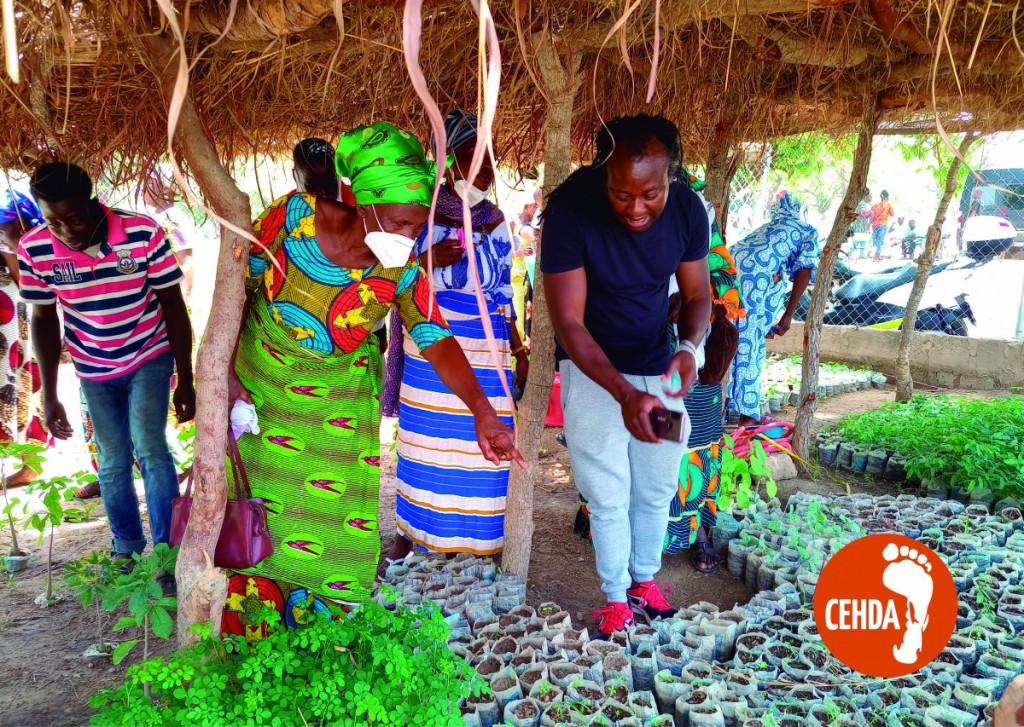
Our 8-hectare organic farm demonstrates sustainable agriculture practices while providing educational and employment opportunities for the local community.
We cultivate exclusively with indigenous seed varieties, protecting biodiversity and ensuring food sovereignty.
Our organic methods protect the soil, water, and the health of farmers and consumers.
Young people from the community gain valuable agricultural skills and income through the farm.
We share sustainable farming techniques with local farmers to multiply our impact.


Preserving Ghana's agricultural heritage through the collection and storage of traditional seed varieties that have sustained communities for generations.
We safeguard genetic diversity by maintaining traditional crop varieties that are disappearing due to industrial agriculture.
Local seeds free farmers from dependence on commercial seed suppliers and enable self-sufficient agriculture.
Indigenous varieties are often better adapted to local conditions and more resilient to climate change.
Elders share traditional agricultural knowledge with younger generations through seed saving practices.
How our educational programs help children navigate their path to success, providing direction and support when they need it most.
Young farmers learning sustainable agriculture are planting the seeds for a more food-secure future in the Savannah Region.
Building strong roots in the community through collaborative projects that bring together elders and youth.
Your donation directly supports children's education and sustainable farming in Sawla.